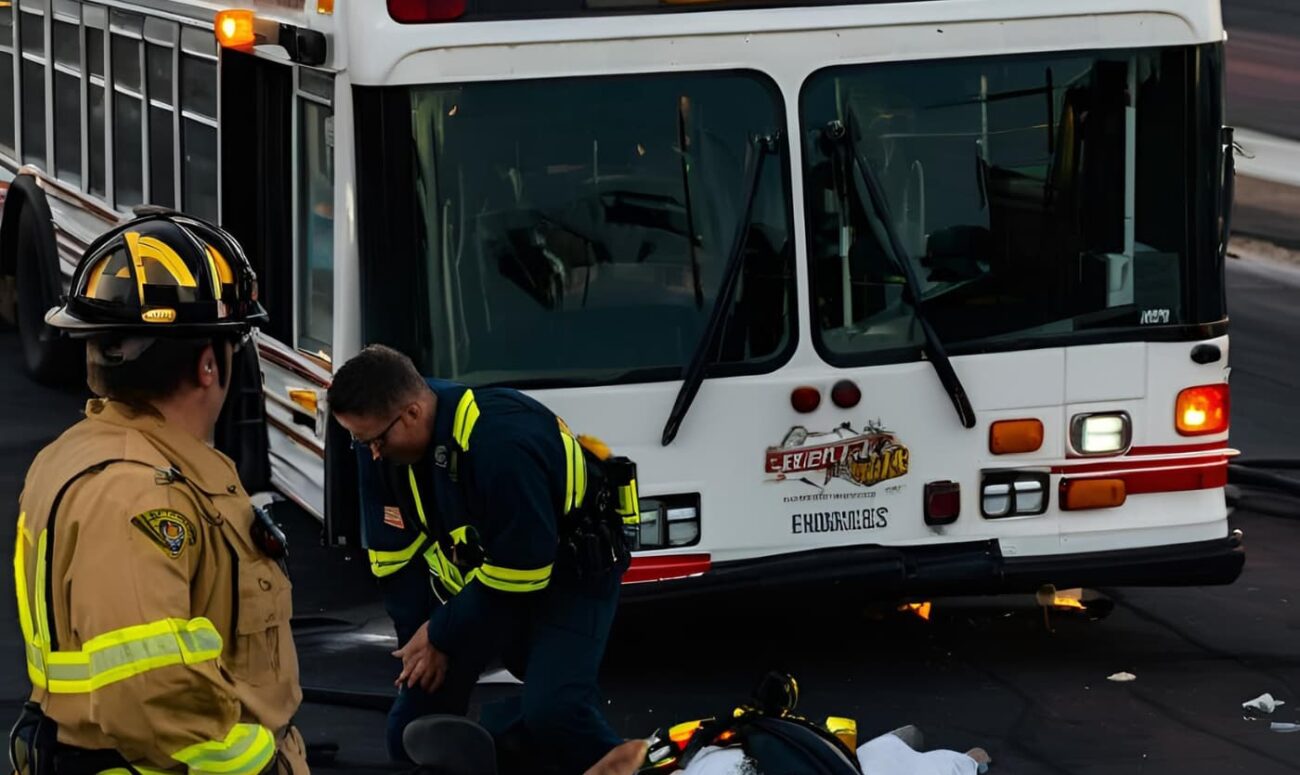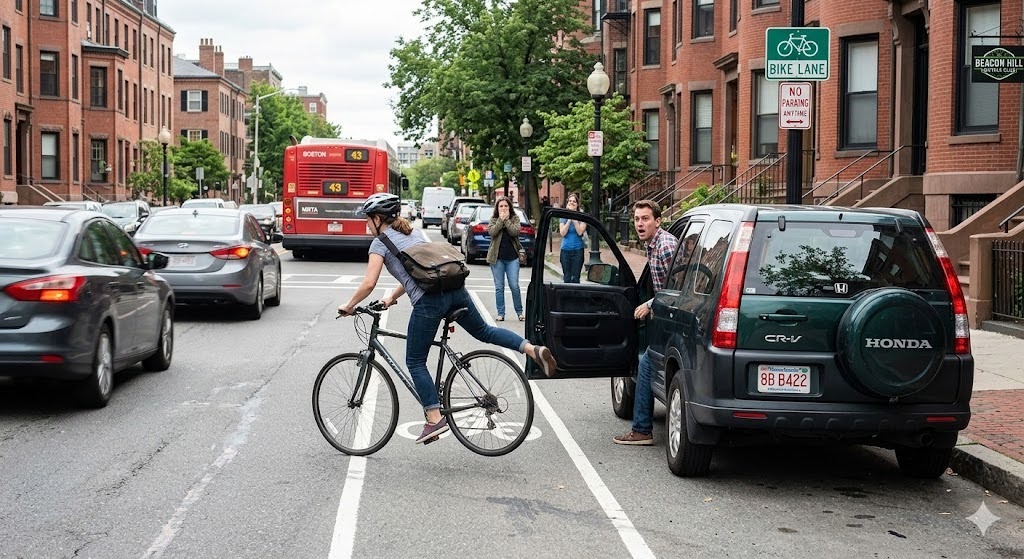
The moment is always the same. You’re moving through traffic, maybe running a little late, maybe just enjoying the ride. Then a car door swings open directly into your path—no warning, no time to react. The impact is sudden and brutal, and then you’re on the ground, and the driver is already out of their car saying something like, “Are you okay? You came out of nowhere.”
That last sentence. That’s the one that gets me every time.
I’ve been a bicycle accident attorney long enough to have heard it hundreds of times, from clients who were shaking when they called, still not sure if what happened to them was serious enough to matter. The gap between what injured cyclists actually need in those first two hours and the advice they find online is genuinely dangerous. So let me be direct: You’re not overreacting. A dooring is a real crash. Your injuries are real. And the steps you take right now will shape everything that comes after.
What Just Happened to You—and Why It Matters Legally
Before and after a dooring looks like this in practice: before, you’re a cyclist with the right of way, riding lawfully in traffic. After, you’re on the pavement, the driver is minimizing it, and you’re wondering if you somehow did something wrong.
You didn’t.
Under Illinois vehicle code, no person may open a vehicle door on the side available to moving traffic unless it is reasonably safe to do so—and that rule exists in some form in virtually every state. The driver had a legal obligation to check before opening that door. They failed it. That’s the foundation of your case, and it doesn’t change because they’re apologetic or because you feel embarrassed lying on the ground.
What changes is how well you can prove it. That’s what the next two hours are about.
The First Fifteen Minutes: What to Do While You’re Still at the Scene
Don’t leave. Don’t minimize. Don’t accept “I’m fine” as your final answer.
Adrenaline is doing real work right now. It masks pain. It makes a fractured wrist feel like a sprain and a concussion feel like a headache. I’ve seen clients walk away from a dooring and wake up the next morning unable to move their shoulder—the injuries were there at the scene, they just weren’t loud yet.
Here’s the sequence that matters:
- Move to safety first. If you’re in traffic, get yourself and your bike to the sidewalk or curb before anything else. Your safety is the only thing that matters in the first sixty seconds.
- Call 911. A police report is one of the most valuable documents in a bicycle accident claim. It creates an official record of where, when, and how the crash happened—and captures the driver’s information before they have a chance to reconsider their story. If the officer seems inclined to dismiss it as minor, note that you’d like a report filed and that you intend to seek medical evaluation. As cyclist advocacy guidance recommends, you can specifically request that a citation be issued if you were doored—that citation becomes powerful evidence of fault.
- Document everything before it changes. Use your phone. Photograph the car door, the car’s position, the license plate, the street, the skid marks, your bike, and your body. Bent wheels, cracked frames, and torn components tell the story of how hard you were hit in ways that words can’t. Do this before the driver moves their car.
- Get the driver’s full information. Name, license, insurance company, and policy number. Don’t accept just a phone number.
- Look for witnesses. This is the step most riders miss. A witness who saw the door open, saw you go down, saw the driver’s reaction—that person can be the difference between a disputed claim and a settled one. Ask anyone nearby if they saw what happened. Even a business owner who watched from a window counts.
The Hours After: Why “Wait and See” Is a Trap
Go to an emergency room or urgent care that same day. Not tomorrow. Not after you see how you feel in the morning.
Federal safety data is unambiguous: head injuries and internal injuries are routinely missed at the scene after bicycle crashes. The adrenaline that let you stand up and exchange information with the driver is the same adrenaline that can mask a traumatic brain injury presenting as mild disorientation. Soft tissue damage to the neck and back often doesn’t peak until 24 to 72 hours after impact.
The insurance problem with waiting: A gap in medical care is one of the first things an insurer will use against you. If you waited three days to see a doctor, their adjuster will argue your injuries weren’t serious—or weren’t caused by the crash at all. Getting evaluated immediately creates a medical record that ties your injuries directly to the incident.
Tell the doctor exactly what happened. Don’t downplay symptoms because you’re unsure they’re related. Mention the headache, the neck stiffness, the wrist that feels “a little off.” Let the medical record capture everything.
Reporting the Accident: Three Conversations, Three Different Stakes
Not all reporting is equal. Here’s how each conversation differs—and what’s at risk in each one.
| Who You’re Talking To | Their Goal | Your Goal | Key Risk |
|---|---|---|---|
| Police officer at scene | Document the incident | Get an accurate, favorable report filed | Vague or dismissive report that omits fault details |
| Your own insurance company | Assess your policy coverage | Trigger any UM/UIM provisions you may have | Delayed notification complicating your claim |
| Driver’s insurance company | Minimize their payout | Preserve your right to fair compensation | Recorded statement made before you know your full injuries |
With the police: Give a clear, factual account. The door opened. You had no time to stop. You were riding in the bike lane or in the rightmost lane of traffic. Don’t speculate about fault, but don’t accept the driver’s framing either.
With your own insurance: Notify them promptly. Even if the driver is clearly at fault, your own policy may have uninsured or underinsured motorist provisions that matter—especially in hit-and-run scenarios.
With the driver’s insurance company: Slow down here. Their adjuster will likely contact you within 24 to 48 hours. They may sound helpful. They’re not working for you. You are not required to give a recorded statement to the other driver’s insurance company. Tell them you’ll be in touch once you’ve assessed your injuries and consulted with an attorney.
On Fault: What Feels Like a Gray Area Usually Isn’t
A driver who opens a door without checking is legally at fault in virtually every jurisdiction. The cyclist’s position in traffic—whether in a bike lane, a door zone, or the travel lane—is almost never the issue.
The National Safety Council promotes driver education techniques like the Dutch Reach precisely because dooring is a known, preventable hazard. That context matters in a claim. This wasn’t a freak accident. It was a foreseeable risk the driver failed to manage.
What feels like ambiguity to the driver is usually clarity in the law.
When to Talk to a Personal Injury Lawyer
I’m not going to tell you that every dooring requires an attorney. Some don’t. If your injuries are genuinely minor, your bike damage is minimal, and the driver’s insurance company makes a fair offer quickly, you may be able to handle it yourself.
But here’s the honest calculus:
Consult an attorney if any of these apply:
- Your injuries are significant or still developing
- Your bike damage exceeds a few hundred dollars
- You’ve missed work or expect to
- The insurance company is already pushing back or minimizing
- You’re being asked to sign anything
Consulting a boston bicycle accident lawyer costs nothing upfront—most bicycle accident attorneys work on contingency, meaning they only get paid if you recover compensation.
What that initial conversation actually does is preserve your options. An attorney can send a spoliation letter to ensure the driver’s insurance company preserves any dashcam footage or witness statements. They can advise you on what not to say and what documentation to gather. They can assess whether your injuries have a longer trajectory—ongoing physical therapy, potential surgery—that you shouldn’t be settling before you understand the full picture.
Local Resources Worth Knowing
Your city’s bicycle coalition is a real resource, not just an advocacy group. They often maintain lists of bike-friendly attorneys, know which police districts are responsive to cyclist complaints, and can connect you with other riders who’ve navigated similar situations.
If your bike was damaged, get a written repair estimate from a shop—not just a verbal one. That estimate becomes part of your documented losses. If you don’t have health insurance or are worried about the cost of emergency care, document everything anyway and go. Medical bills can often be addressed through a personal injury settlement, but only if there’s a record of the care.
Your Next Steps, Right Now
If you’re reading this in the hours after a crash, here’s the complete checklist:
- Get medical evaluation today
- Photograph injuries, bike damage, and the scene
- File a police report if you haven’t already
- Collect or follow up on witness contact information
- Notify your own insurance company
- Do not give a recorded statement to the driver’s insurer before speaking with an attorney
- Write down everything you remember while it’s still fresh—time, location, what the driver said, what you saw
You handled something frightening today. The path forward isn’t complicated, but it does require you to act while the evidence is still available.
One step at a time.